
Start with people, space and utilities
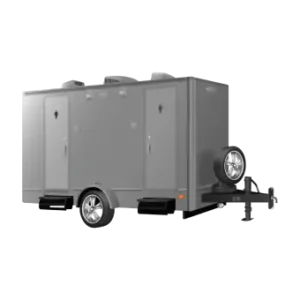
Restroom trailers are an option when an indoor-style facility fits the occasion. Configurations may include multiple stalls, sinks, mirrors, lighting and climate control. Amenities and layout vary, so ask about the trailer that is actually available for the location and dates.
Trailer placement takes more planning than a single portable cabin. Share the access route, entry widths, overhead restrictions and the space available for positioning and steps. The provider needs to review whether the trailer can be delivered and set up as intended.
Confirm the required electrical supply and water arrangements before the delivery day. Where connections are not available, ask which supported alternatives can be arranged. A plan for wastewater servicing is also important for longer or heavily used rentals.
Choose facilities around the event
Describe expected attendance, event duration and any accessibility requirements. Not every trailer has the same access arrangement. Review the proposed model, utility responsibilities and service plan together before confirming the booking.
Compare the four listed configurations
Explore 2-stall, 3-stall, 5-stall and 8–10-stall enquiries below. Each page explains the kind of planning the configuration needs. No stall count guarantees an attendance limit: duration, peak demand, other facilities and servicing also matter.
Indoor-style amenities described by the source include flushing toilets, sinks, mirrors, lighting and climate control. Request the actual layout, entrances and equipment features. Restroom trailers and shower trailers are different products; showers are not included merely because the facility is a trailer.
Supporting equipment matters
Ask about compatible generators, freshwater tanks and additional sewage holding tanks where needed. Identify responsibility for fuel, water replenishment, waste removal and utility access. A tank extends the arrangement only within its approved capacity; it does not remove servicing requirements.
Review delivery space, steps, access routes and any accessibility needs before selecting a configuration. The exact electrical supply requirements must be confirmed for the trailer, not inferred from a generic voltage on a website.